

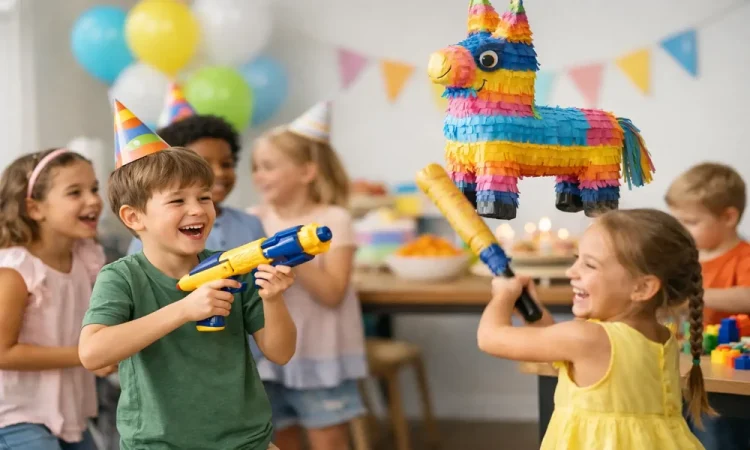
A children’s party can be full of excitement, but keeping a group of young guests happily occupied for several hours isn’t always as straightforward as it sounds. Some children arrive ready to join every activity, while others take a little time to settle in. Energy levels can also change throughout the afternoon, particularly when there are different ages and personalities in the group.
The secret isn’t to plan something for every single minute. It’s to create a good mixture of activities, entertainment and opportunities for children to enjoy themselves at their own pace.
Start With A Welcoming Activity
The beginning of a party can be an awkward time, especially when guests arrive at different intervals. Some children may already know one another, while others might be meeting for the first time. Having a simple activity available gives everyone something to do while the group comes together.
A drawing table, building blocks, a guessing game or a small craft project can work well. These activities don’t require much explanation and allow children to participate whenever they feel comfortable.
It’s also useful to avoid starting the main event immediately. Giving guests time to arrive, put their belongings away and become familiar with the surroundings creates a much more relaxed atmosphere.
Choose Activities That Encourage Participation
Children are generally more engaged when they have an opportunity to do something rather than simply watch. Games that involve teamwork, movement or creativity can give everyone a reason to take part.
A treasure hunt, for example, can be adapted to suit different ages and abilities. Younger children might follow picture clues, while older guests can solve simple riddles. Other possibilities include building challenges, team competitions or activities where children create something they can take home.
The important thing is to keep the instructions straightforward. Complicated rules can quickly lose the attention of younger guests, particularly when they’re already excited about the occasion.
Find The Right Balance With Organised Entertainment
Organised entertainment can provide a useful focal point during a party, particularly when parents want to bring everyone together for a shared experience. However, it’s worth choosing something that fits the group rather than simply booking the most elaborate option available.
When considering entertainment for kids’ parties, think about the ages of the guests, the available space and how much interaction is involved. Music, interactive performances, games and creative activities all offer different ways to keep children interested.
It’s also sensible to check the duration. A short, engaging activity may work better than a lengthy performance that expects younger children to remain focused for an extended period.
Don’t Forget About Quieter Children
Not every child enjoys noisy games or being the centre of attention. Some prefer activities that allow them to concentrate independently, while others may simply need a quieter place to take a break.
Providing a small area away from the busiest part of the party can make a significant difference. It could include colouring materials, puzzles, books or a few comfortable seats.
This doesn’t mean separating quieter children from the group. It simply gives guests another option if they become overwhelmed or want a change of pace. Children are more likely to enjoy the overall experience when they don’t feel pressured to participate in everything.
Keep Food And Refreshments In The Schedule
Food provides a natural opportunity to slow things down. After energetic games or an interactive activity, sitting together for snacks can give children a chance to recharge and talk with their friends.
The menu doesn’t need to be complicated. Familiar foods, fruit and smaller portions are often practical choices, particularly when children are keen to return to playing. Having drinks readily available is important too, especially during warmer weather or parties involving plenty of movement.
Parents should check dietary requirements and allergies before the event. This makes it easier to prepare suitable options and ensures guests aren’t left without something they can enjoy.
Adapt Activities To The Energy In The Room
One of the advantages of having a flexible plan is being able to respond to how children behave on the day. If everyone is full of energy, an active group game might be ideal. If guests are beginning to tire, a quieter activity could be a better choice.
There’s no need to force an activity simply because it appears on the schedule. Children might become particularly enthusiastic about something unexpected, and allowing them to enjoy that moment can be more valuable than sticking rigidly to the original plan.
It also helps to have one or two backup ideas. A spare game or simple challenge can fill an unexpected gap if an activity finishes early or doesn’t attract much interest.
Make The Birthday Child Feel Special
While it’s important to think about the whole group, the birthday child should still feel that the celebration is centred around them. Small personal touches can help make that happen without putting them under too much pressure.
They might choose the first game, help decide the music or select a special activity to share with their friends. Some children will enjoy being involved in front of everyone, while others may prefer a quieter moment with their closest friends.
Giving them a say in the arrangements can make the day feel more personal and help ensure the activities reflect their interests.
Leave Room For Spontaneous Fun
A party doesn’t need to be perfectly structured to be successful. Some of the most enjoyable moments happen when children invent their own games, discover something interesting or simply spend time laughing together.
Parents can provide the setting and organise a few highlights, but they don’t need to control every interaction. Allowing children some freedom makes the celebration feel less like a timetable and more like an occasion they can genuinely enjoy.
Ultimately, keeping young guests engaged is about offering enough variety without overwhelming them. A welcoming start, a mixture of activities, suitable entertainment and time to relax can create a much better experience than trying to fill every minute. When children have choices and feel comfortable joining in, the party is far more likely to be remembered for all the right reasons.


